The Moon (and Mars) on Our Hands
A sensory journey to the very nearby universe.
MINDFULNESSASTRONOMYINCLUSIONEDUCATION
12/10/20252 min leer
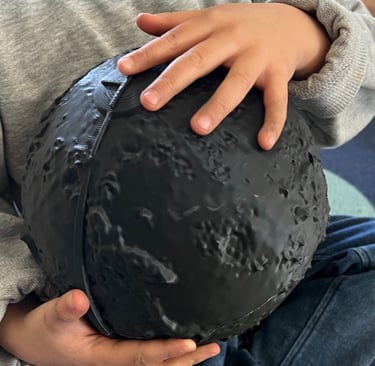
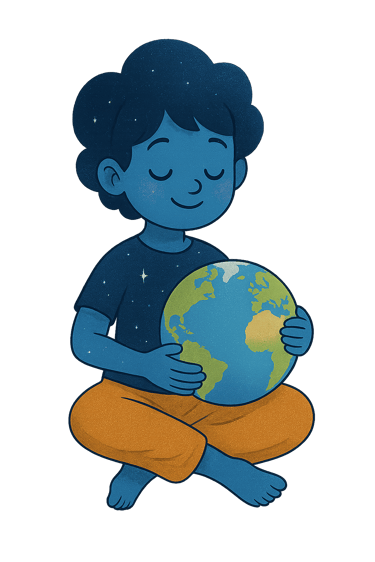
Can you imagine walking with your hands across the surface of another celestial body?
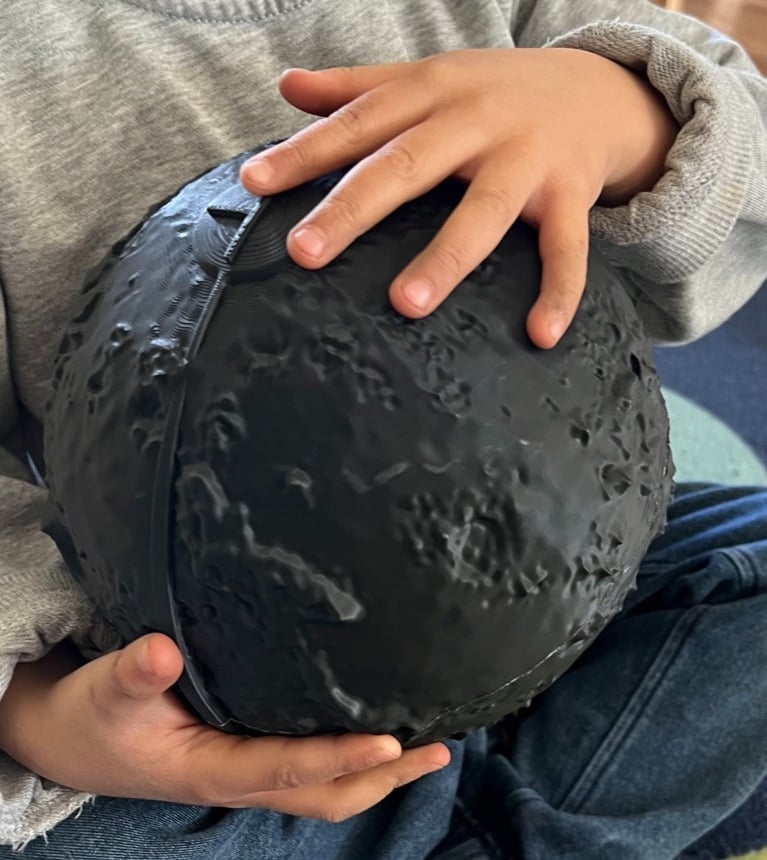
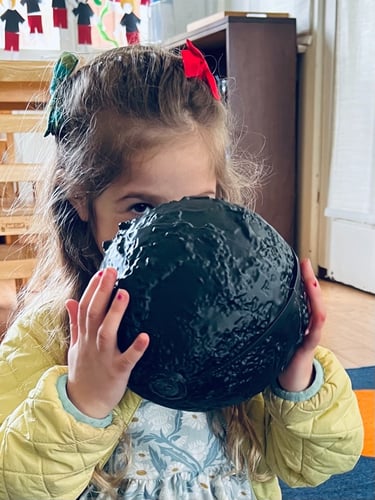
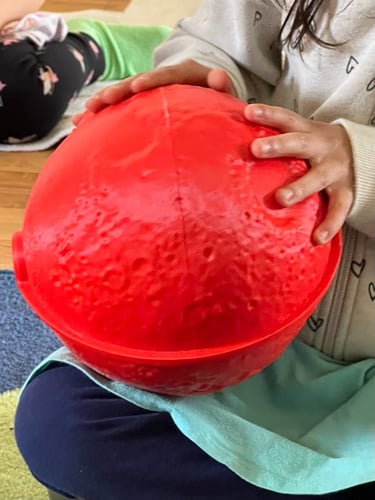
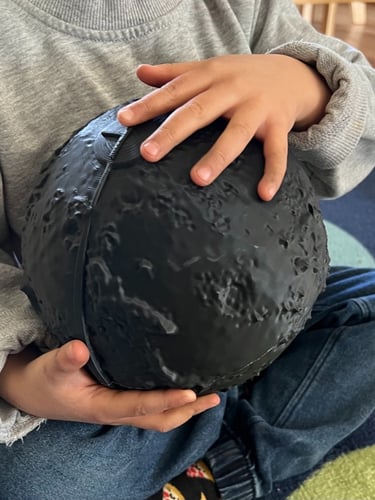
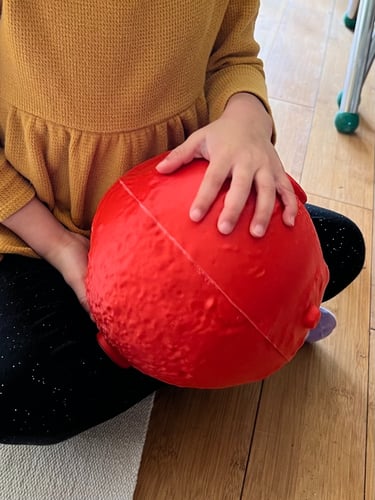
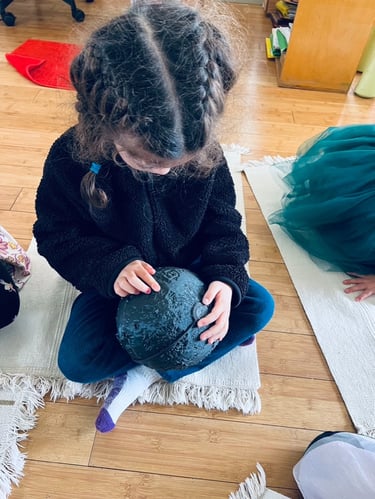
In this activity, we walk with our fingers across the surface of the Moon (and also Mars). We feel its textures, discover its craters, mountains, and even volcanoes. It is a mindful way to explore other worlds, connecting with them through touch. These 3D models were obtained thanks to the A Touch of the Universe project and were printed by Oriol Molgo.
These tactile experiences not only spark imagination but are also an inclusive and multisensory tool: they allow us to talk and work with people who are blind or have low vision, as well as with those who need or enjoy sensory stimulation. They open the door to travel with our hands and minds to any corner of the universe.
In addition, it is a wonderful way to introduce astronomy to young children. For example, I have also used these models in my astronomy classes at Rayuela (a beautiful preschool that opened its doors to mindful astronomy), in several primary schools, and even in my astronomy classes at San Diego State University (SDSU), especially when we talked about the Moon and Mars. They always generated fascination and curiosity in students, regardless of their age.
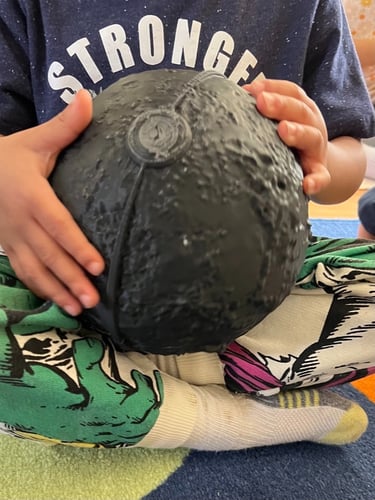
With the youngest children, the activity aimed not only to introduce astronomy but also meditation. Each child sat comfortably (or lay down, or even stood up if they preferred). We took a deep, mindful breath and imagined ourselves jumping— and in the case of the children who were standing, they actually jumped. The idea was to begin an imaginary journey that would take us to the Moon and to Mars, imagining that we were walking on these worlds while discovering their surfaces through the tactile model.
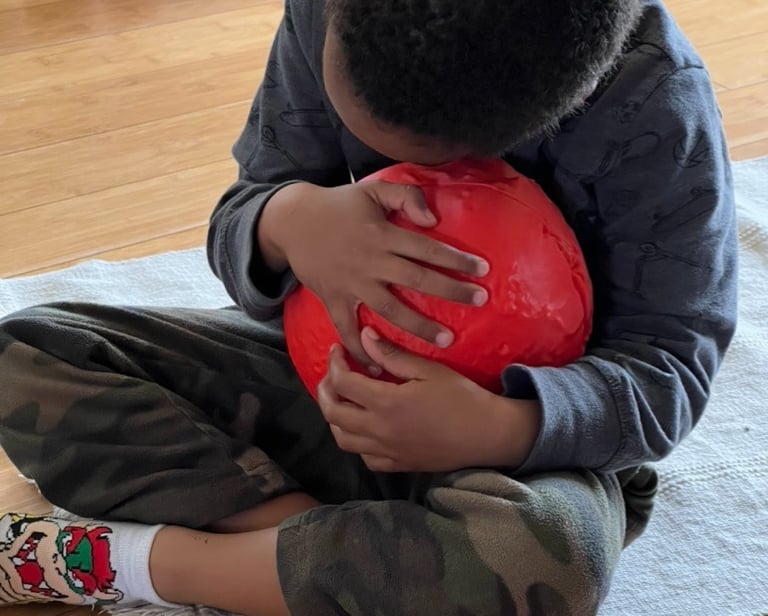
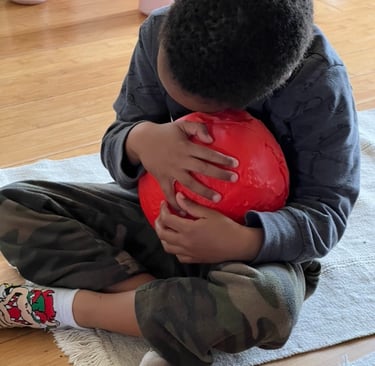
The results, even with the little ones, were beautiful. Some hugged the Moon or Mars; others imagined stories while “walking” across their surfaces with their fingers and hands. They felt the textures, explored the object, invented stories, breathed. At the end, with another deep breath, they “returned” to Earth by opening their eyes or taking one last jump. This opens the door to talking about the universe—to questioning, wondering, and imagining that everything is possible.
With university students, the experience was different. In my introductory astronomy class, when discussing the Moon or Mars, I allowed them to explore these models with their hands and identify some of the features we had studied, or even some they already knew.
Dra. Breezy Ocaña Flaquer, PhD
Astrofísica e instructora de Yoga
Clases
Actividades
© 2025. All rights reserved.